
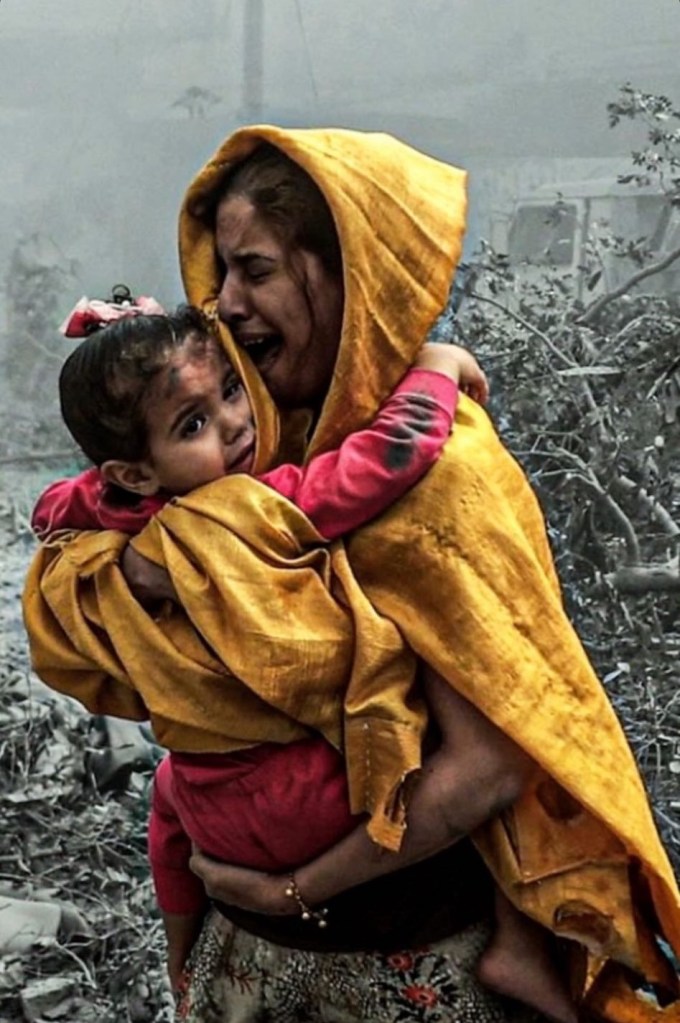
In an era dominated by the constant flow of information through social media, the visual narratives of conflict have become an unavoidable presence in our daily lives. The Israel and Hamas War, along with the Ukraine and Russia War, has been extensively documented and shared on platforms like Facebook, Instagram, and Twitter. While these images provide a glimpse into the harsh realities faced by communities affected by conflict, they also raise critical questions about the toll they take on our mental health. In this editorial, we explore the psychological impact of war imagery on social media and discuss strategies to navigate this complex terrain responsibly.
The Power of Visual Storytelling
Social media has transformed the way we consume news, making information and images from conflict zones more accessible than ever. Photographs capture the raw, unfiltered moments of war, conveying the human experience in a way that words often cannot. They have the power to evoke empathy, galvanize action, and amplify the voices of those affected by conflict.
However, this accessibility comes with a significant downside. The constant exposure to graphic images of violence, destruction, and human suffering can take a toll on the mental well-being of individuals, both directly involved in the conflict and those observing from afar. The Israel and Hamas War and the Ukraine and Russia War have been no exception, with social media platforms flooded with stark and often distressing visual content.
The Mental Health Toll of War Imagery
- Vicarious Trauma and Compassion Fatigue: Consuming graphic images of war can lead to vicarious trauma, where individuals experience the emotional and psychological effects of trauma without directly being involved. The sheer volume of distressing images can contribute to compassion fatigue, a state of emotional exhaustion and desensitization.
- Heightened Anxiety and Stress: Continuous exposure to intense and distressing imagery can contribute to heightened anxiety and stress levels. The visual impact of war on social media may trigger feelings of helplessness, fear, and a constant state of alertness, taking a toll on mental health.
- Desensitization and Emotional Numbness: Over time, repeated exposure to graphic content can lead to desensitization, where individuals become emotionally numb to the suffering of others. This numbing effect may hinder our ability to connect with the human stories behind the images, potentially eroding our sense of empathy.
- Polarization and Helplessness: The divisive nature of conflicts often reflects in online discussions and debates. Exposure to polarized opinions and the feeling of helplessness in the face of ongoing violence can contribute to a sense of despair and exacerbate feelings of anxiety and depression.
Navigating the Digital Minefield: What Can We Do?
- Mindful Consumption: The first step in managing the impact of war imagery on social media is mindful consumption. Be aware of the content you are exposing yourself to and consider setting limits on the time spent engaging with such material. Actively choose when and how you engage with news and ensure that you are in a mental space to process the information.
- Curate Your Feed: Social media platforms offer tools to curate your content. Unfollow or mute accounts that consistently share distressing imagery if it negatively affects your mental health. Choose to follow accounts that provide contextual information, analysis, or uplifting stories alongside news updates.
- Verify Sources and Context: Before sharing or reacting to images on social media, take a moment to verify the authenticity of the content and seek additional context. Misinformation can exacerbate the emotional impact of images, so it’s crucial to be discerning about the content you engage with and share.
- Engage in Constructive Conversations: Social media can be a platform for meaningful discussions, but it requires a conscious effort to maintain a constructive environment. Engage in respectful conversations, seek diverse perspectives, and be mindful of the potential emotional toll of heated debates.
- Practice Self-Care: Recognize the signs of distress in yourself and others. Practice self-care routines that promote mental well-being, whether it’s through exercise, meditation, or spending time with loved ones. Reach out for professional support if needed.
- Balance Information Consumption: While staying informed is crucial, striking a balance is equally important. Allocate time for activities that bring joy and relaxation. Create digital-free zones in your daily routine to disconnect from the constant stream of information and focus on other aspects of life.
The Responsibility of Platforms and Content Creators
Social media platforms and content creators also bear a responsibility in mitigating the mental health impact of war imagery. Algorithms should be designed to prioritize responsible and verified content, and platforms should provide resources for users to seek support if they are emotionally affected by the content they encounter.
Content creators, including journalists and photographers, should be mindful of the potential impact of their work on the mental health of their audience. Providing context, trigger warnings, and resources for mental health support can contribute to a more responsible dissemination of information.
Conclusion: Nurturing Empathy While Protecting Mental Health
As we navigate the digital landscape saturated with images from conflicts like the Israel and Hamas War and the Ukraine and Russia War, it is essential to strike a balance between staying informed and protecting our mental health. While social media has the power to connect us with the world, it also requires us to be active participants in curating our digital experiences.
By embracing mindful consumption, engaging in constructive conversations, and practicing self-care, we can navigate the digital minefield of war imagery responsibly. Social media platforms and content creators also play a pivotal role in fostering a digital environment that prioritizes the mental well-being of users. In doing so, we can nurture empathy, understanding, and a collective commitment to building a more compassionate world, even in the face of the harsh realities depicted in the images that flood our screens.

 ALKASSANDRA الكسندرا