

You might not expect a link between COVID-19 and hair loss – the coronavirus causes a respiratory illness, after all. But some survivors are noticing that their hair is falling out during their recovery period.
In fact, Dr. Esther Freeman, who directs the Dermatology COVID-19 Registry, a database of dermatologic manifestations of COVID-19 that contains 1,000 cases from 38 countries, told TODAY that an increasing number of people who are recovery from the coronavirus are reporting hair loss in the aftermath of the illness.
This hair loss is no surprise to infectious disease expert Amesh A. Adalja MD, senior scholar at the Johns Hopkins Center for Health Security in Maryland, and it’s due to a mechanism called telogen effluvium.
‘After (experiencing physiological stress, there is a condition that impacts the growth cycle of hair follicles. It’s called telogen effluvium, and it can be seen after many different types of illnesses, including malaria and tuberculosis’, Dr. Adalja said.
Tellogen effluvium typically manifests about three months after the stressful event, and both men and women can be affected, he adds.
Dermatologist Angelo Landriscina, MD, tells Helath.com that this type of hair loss can follow any stressful life event – not only severe illness but also surgery or a serious psychological stressor, like the loss of a loved one. ‘We’re not talking regular daily stress here’, he says.
To understand telogen effluvium, it helps to understand the hair growth cycle.
‘At any given time, 85-90% of our hair is in a phase called anagen –the growth phase’, Dr. Landriscina says. ‘Meanwhile, 1-2% are in a transitional phase called catagen. Up to 10% of our hair is in the telogen or ‘resting phase’, which is the phase where our hair is normally shed. In telogen effluvium, a larger than normal portion of our hair moves into the telogen phase and is shed’.
Some amount of hair shedding is normal; the American Academy of Dermatology (AAD) says it’s typical to lose 50 to 100 hairs a day. Yet losing ‘significantly more’ that this is considered to be excessive, and results in a diagnosis of telogen effluvium.
While there’s no evidence of a coronavirus – specific mechanism triggering hair loss, any serious illness can cause telogen effluvium – and COVID-19 certainly falls into that category.
‘Many people with COVID-19 become severely ill with high fevers and other symptoms, which we know can be linked to telogen effluvium’, Dr. Landriscina says. ‘We know that the stress hormone cortisol is released at higher levels during severe illness, and we also know that cortisol can affect hair structures’.
Even the psychological stress of contracting coronavirus can cause telogen effluvium.
‘COVID-19 has clearly caused a lot of us stress, and not just physiological stress on the body from an infection’, Kristen Lo Sicco, MD, assistant professor of dermatology at NYU Langone Health, tells Health.com. ‘The pandemic has caused many types of stress outside of personal illness, such as financial stress, death of a loved one, and childcare – related issues’.
Economic hardship and racial injustice could also lead to hair loss, Dr. Landriscina ads – and there’s been no shortage of either so far in 2020.
Typically, telogen effluvium latest for up to six months, Dr, Adalja says. It’s basically a waiting game; a person who has had stress – induced hair loss will start to see their hair gradually return to normal as new hair grows.
Patience aside, Dr. Landriscina says that people who are experiencing telogen effluvium can apply a topical minoxidil 5% solution (such as Rogaine). ‘This encourages hair follicles to leave the telogen phase early and return to the anagen or growth phase’, he explains.
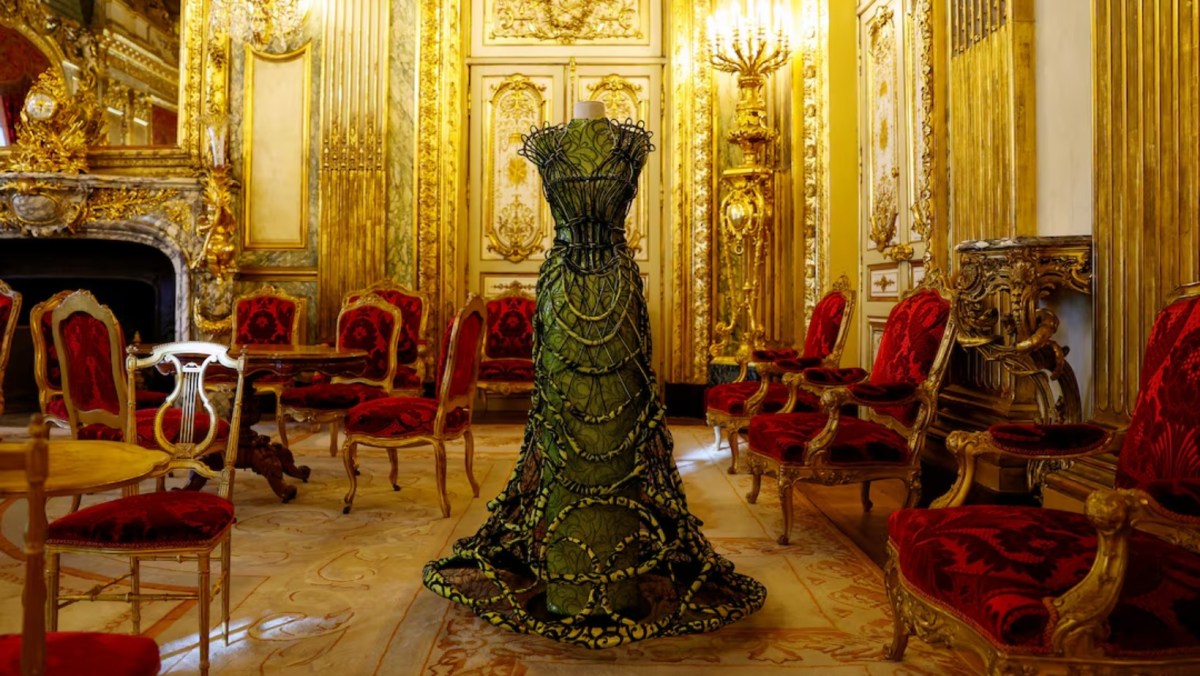
The Louvre Brings Haute Couture Inside Its Hallowed Halls for the First Time
In a historic move, the Louvre, the world’s most-visited museum, is showcasing haute couture gowns and accessories from iconic fashion houses such as Chanel, Saint Laurent, and Dior alongside its renowned decorative arts collections. This unprecedented exhibition bridges the gap between fashion and history, celebrating the enduring relationship in between Parisian couture and the city’s…

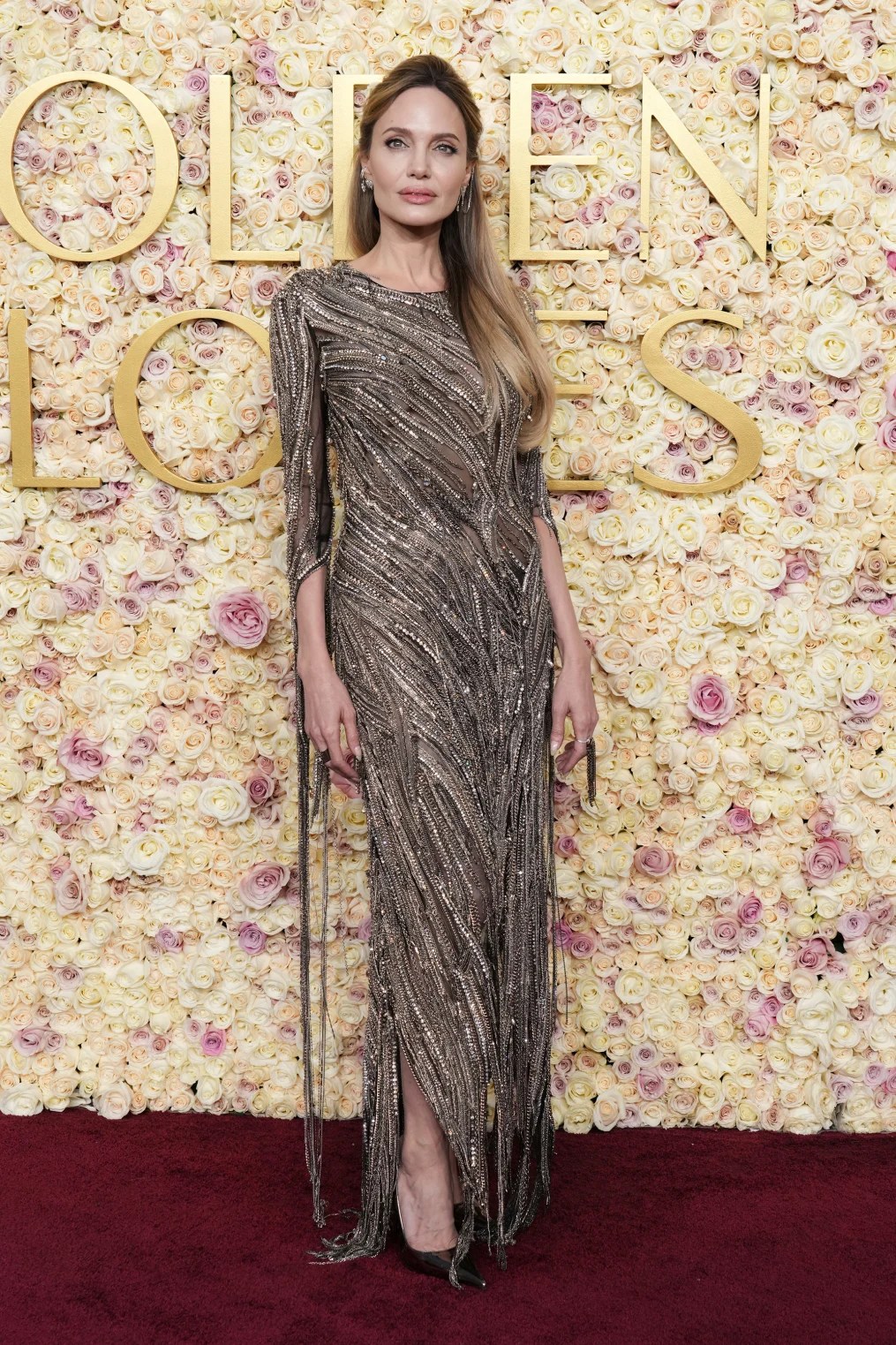
The 82nd Golden Globes: A Gilded Night of Fashion and Glamour
The red carpet of the 82nd Golden Globe Awards at LA’s Beverly Hilton shimmered with an unparalleled brilliance on Sunday night, as Hollywood’s elite embraced fashion’s most dazzling trend: gold. This year, the ceremony’s sartorial choices embodied opulence, individuality, and bold reinvention, making it a true celebration of style on one of cinema’s most illustrious…

The Ultimate Guide to Mixing Skincare Products for Radiant, Healthy Skin
In the ever-evolving world of skincare, knowing how to mix and match products can elevate your routine – or cause unintended harm. With countless celebrity-endorsed lines, trending products, and conflicting advice, it can be overwhelming to navigate. That’s why ALKASSANDRA has curated this comprehensive guide to help you unlock the power of skincare combinations. Discover…
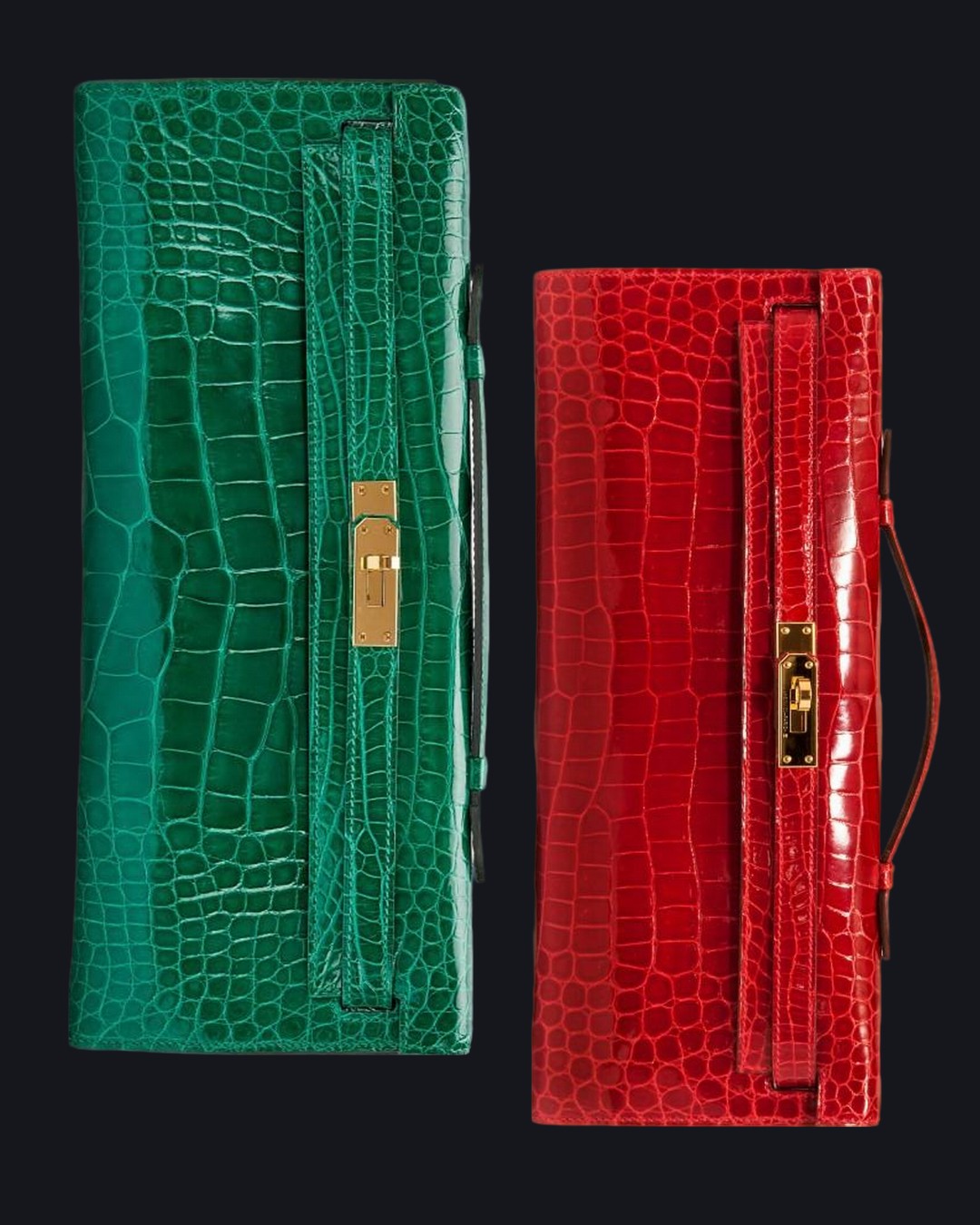
Why Hermes Is “costly” and Not “Expensive”, According to Artistic Director Pierre-Alexis Dumas
Renowned for its unmatched craftsmanship and timeless elegance, Hermès stands as a beacon of luxury in the modern world. But why are its products so costly? According to Artistic Director Pierre-Alexis Dumas, the answer lies not in expense, but in value – a philosophy that defines the brand’s legacy of excellence. The Hermès Philosophy: Cost vs. Expense…
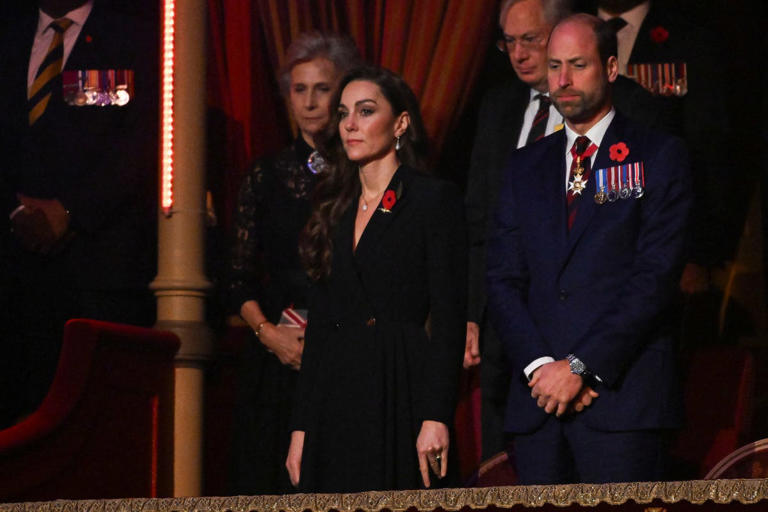
Princess Kate Attends Royal British Legion’s Festival of Remembrance in Elegant Tribute
Princess Kate made a radiant appearance at the annual Royal British Legion Festival of Remembrance at the Royal Albert Hall, honoring the sacrifices of armed forces members. Dressed in accordance with the traditional all-black dress code, Kate wore an elegant black blazer dress, accented with reflective silver buttons at the waist. Her ensemble included a…

Historic Diamond Necklace, Possibly Linked to Marie Antoinette, Set for Auction in Geneva
An exquisite Georgian-era necklace with a scandalous past heads to Sotheby’s, promising intrigue and glamour. An extraordinary piece of history is about to make waves in the world of high jewelry as Sotheby’s prepares to auction a diamond necklace with potential ties to the infamous “Diamond Necklace Affair” of the 1780s, a scandal that tarnished…

Breast Cancer Is On The Rise In Women In Their 40s: An Earlier Mammogram May Help Catch It Sooner
Regular mammograms to screen for breast cancer should start younger, at age 40, according to an influential U.S. task force. Women ages 40 to 74 should get screened every other year, the group said. This marks a shift from previous guidelines, which stated that women could choose to start breast cancer screening as young as…
Something went wrong. Please refresh the page and/or try again.

 ALKASSANDRA الكسندرا